What Breaks a Fast? A Complete Islamic Guide for Muslims
What Breaks a Fast? Rules Every Muslim Should Know

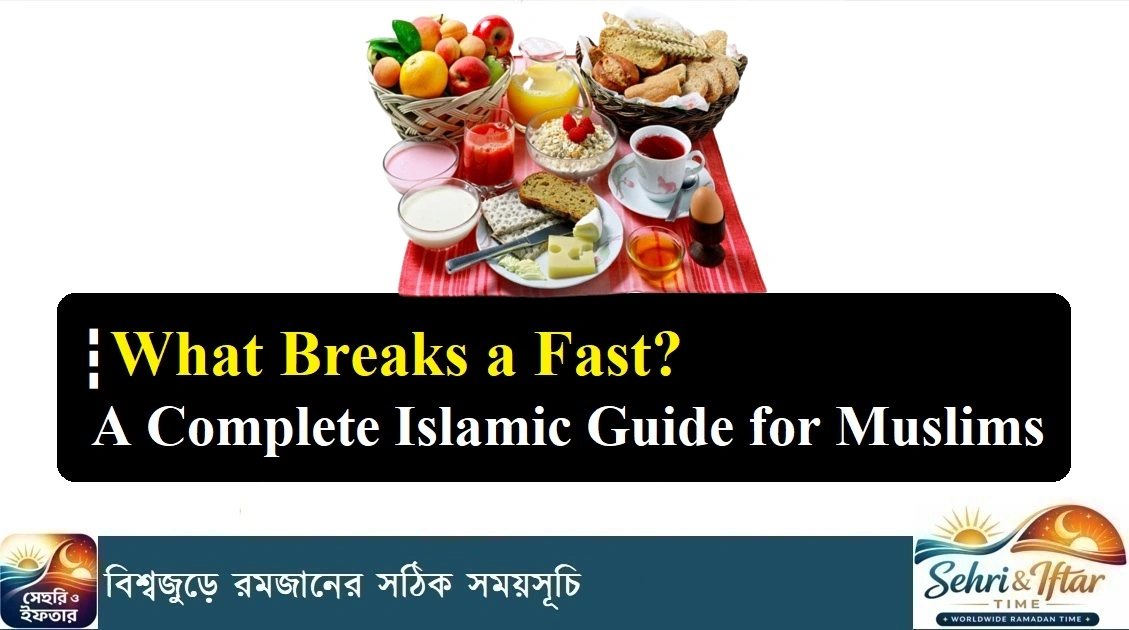
What Breaks a Fast? A Complete Islamic Guide for Muslims ╍ Fasting during Ramadan is one of the most important acts of worship in Islam. It is a sacred obligation that teaches self-control, patience, gratitude, and obedience to Allah. From dawn until sunset, Muslims abstain from food, drink, and other actions that invalidate the fast. However, many people—especially young Muslims or new learners—often feel confused about what exactly breaks a fast and what does not.
Understanding the rules of fasting is essential because Islam places great importance on performing acts of worship correctly. A fast is not merely about hunger and thirst; it is a spiritual commitment that requires sincerity, discipline, and awareness. Knowing what invalidates the fast helps Muslims protect their عبادah (worship) and avoid mistakes during the blessed month of Ramadan.
The Basic Principle of Fasting
In Islam, fasting begins at Fajr (dawn) and ends at Maghrib (sunset). During this time, Muslims must avoid anything that nullifies the fast intentionally. The purpose is not to create hardship but to encourage spiritual purification and mindfulness of Allah.
Islam is also a religion of mercy and balance. Therefore, accidental mistakes or unavoidable situations are treated differently from intentional actions.
Eating and Drinking Intentionally
One of the most obvious things that breaks a fast is intentionally eating or drinking during fasting hours. Even a small amount of food or water taken deliberately invalidates the fast.
This rule applies whether someone consumes a full meal, a snack, or even a sip of water intentionally.
However, Islam beautifully recognizes human forgetfulness. If a fasting person accidentally eats or drinks out of forgetfulness, the fast remains valid. The Prophet Muhammad (peace be upon him) taught that such a person should continue fasting because Allah provided the food and drink for them unintentionally.
This teaching highlights the mercy and compassion within Islam.
Intentional Vomiting
Vomiting unintentionally due to sickness or discomfort does not break the fast. However, deliberately causing oneself to vomit invalidates it.
Islam differentiates between what is beyond human control and what is done intentionally. This balance demonstrates the fairness of Islamic rulings.
Marital Relations During Fasting Hours
One of the major actions that breaks the fast is intimate marital relations during the daytime in Ramadan. This not only invalidates the fast but also requires serious repentance and compensation according to Islamic teachings.
Ramadan is a time for spiritual discipline and controlling desires. Islam permits intimacy between spouses after sunset and before dawn, but not during fasting hours.
Smoking and Similar Habits
Smoking cigarettes, vaping, or intentionally inhaling substances that reach the body breaks the fast. These actions contradict the purpose of fasting because they involve consuming substances intentionally.
Many scholars also encourage Ramadan as an opportunity for Muslims to leave harmful addictions permanently and adopt healthier lifestyles.
Menstruation and Postpartum Bleeding
For women, menstruation and postpartum bleeding invalidate fasting. This is not considered a sin or failure; rather, it is a mercy from Allah. Women are exempt from fasting during these periods and are required to make up the missed fasts later.
Islam always considers human nature and physical well-being when establishing acts of worship.
Injections and Medical Treatment
Many Muslims become confused regarding medical injections during fasting. Generally, injections that provide nutrition and act as food replacement can invalidate the fast. However, non-nutritive injections, such as necessary medical treatments or vaccinations, are commonly considered permissible by many scholars.
Because medical situations can vary, Muslims should seek guidance from knowledgeable scholars and trusted medical professionals when uncertain.
What Does NOT Break the Fast?
Many people mistakenly think certain everyday actions invalidate fasting when they actually do not.
The following generally do not break the fast:
- Brushing teeth carefully without swallowing toothpaste
- Taking a shower
- Applying perfume or oil
- Swallowing saliva naturally
- Accidental dust or smoke inhalation
- Unintentional vomiting
- Eating or drinking forgetfully
Understanding these details prevents unnecessary fear and confusion during Ramadan.
The Spiritual Side of Fasting
While physical actions are important, Muslims should remember that fasting is also about protecting the heart, tongue, and behavior. A person may avoid food and drink but still harm their fast through gossip, lying, anger, insults, and sinful behavior.
The Prophet Muhammad (peace be upon him) warned that Allah has no need for a person’s hunger if they continue false speech and bad actions.
This powerful teaching reminds Muslims that fasting is not just physical restraint—it is spiritual transformation.
How to Protect Your Fast
To preserve the blessings of fasting, Muslims should:
- Learn the rules of fasting before Ramadan
- Avoid doubtful matters
- Stay engaged in prayer and Quran recitation
- Control speech and emotions
- Seek forgiveness regularly
- Focus on sincerity and good character
Ramadan should strengthen faith, not become a source of constant anxiety and confusion.
✅ Related Articles: Common Mistakes Muslims Make During Ramadan
Conclusion
Understanding what breaks a fast is essential for every Muslim who wants to worship Allah correctly and sincerely. Islam provides clear guidance regarding actions that invalidate fasting while also emphasizing mercy, forgiveness, and ease.
Fasting is much more than avoiding food and drink. It is a complete act of spiritual discipline that teaches patience, self-control, gratitude, and closeness to Allah.
By learning the rules properly and practicing fasting with sincerity, Muslims can fully experience the spiritual beauty and transformative power of Ramadan. In the end, the true success of fasting lies not only in staying hungry but in purifying the heart and becoming a better servant of Allah.