How to Break Your Fast According to the Sunnah: A Complete Guide
How to Break Your Fast According to the Sunnah: Step-by-Step

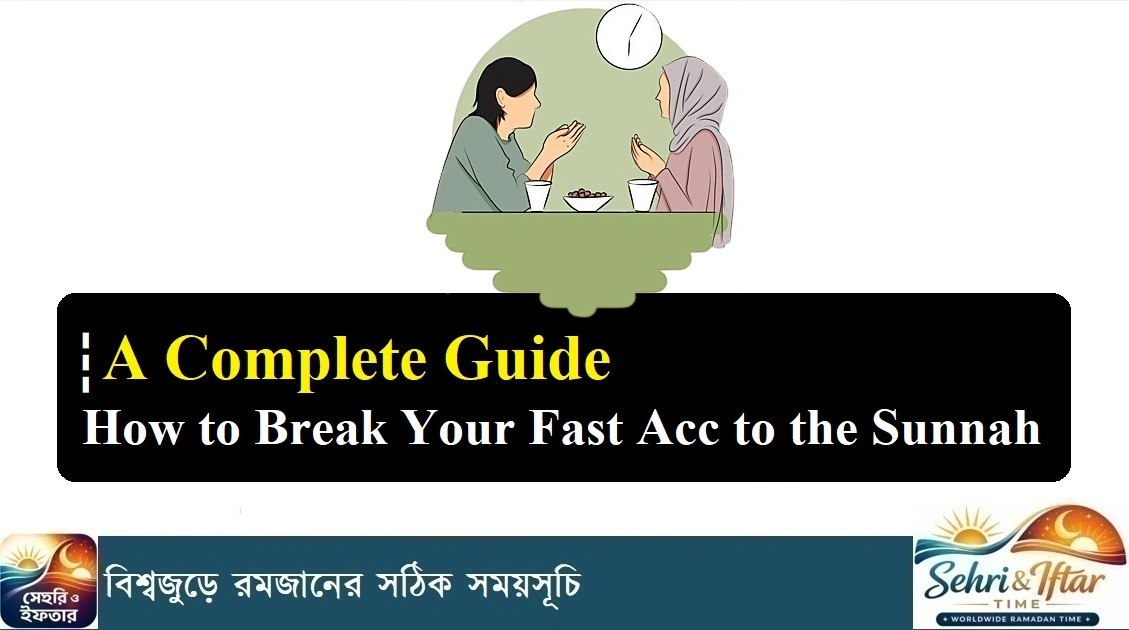
How to Break Your Fast According to the Sunnah: A Complete Guide ╴Fasting during Ramadan is one of the most spiritually uplifting acts of worship in Islam. From dawn until sunset, Muslims around the world abstain from food, drink, and worldly desires for the sake of Allah. However, the moment of breaking the fast—known as Iftar—is not merely about eating after a long day of hunger. It is a sacred and blessed time filled with mercy, gratitude, and the beautiful Sunnah of Prophet Muhammad (peace be upon him).
Unfortunately, in many modern gatherings, the spiritual essence of Iftar is often overshadowed by extravagant meals and cultural habits. While enjoying food is permissible, Muslims should remember that the true beauty of Iftar lies in following the Sunnah. Learning how the Prophet Muhammad (peace be upon him) broke his fast can transform this daily act into a deeply rewarding spiritual experience.
The Importance of Breaking the Fast Promptly
One of the first Sunnahs regarding Iftar is to break the fast immediately after sunset. The Prophet Muhammad (peace be upon him) encouraged Muslims not to delay Iftar once Maghrib time begins.
He said:
“The people will continue to be upon goodness as long as they hasten to break the fast.”
(Bukhari and Muslim)
This teaching reflects Islam’s balanced approach. Allah does not want hardship for His servants. After a day of fasting, the believer is encouraged to accept Allah’s mercy by eating and drinking without unnecessary delay.
Many people wait excessively or become distracted with preparing large meals, but the Sunnah teaches simplicity and promptness. Even a small bite or sip fulfills this beautiful practice.
Related Articles: The Importance of Suhoor (Sehri) in Islam: Benefits and Sunnah
Begin with Dates and Water
One of the most well-known Sunnahs is breaking the fast with fresh dates. If fresh dates are unavailable, dry dates may be used. If dates are not available at all, water is recommended.
The Prophet Muhammad (peace be upon him) used to break his fast with dates before praying Maghrib. This Sunnah carries both spiritual and health benefits.
Dates provide natural sugar that quickly restores energy after long hours without food. Water helps rehydrate the body gently and effectively. Modern nutrition experts now recognize the wisdom behind this practice, proving once again the timeless guidance of Islam.
Following this Sunnah also encourages moderation. Instead of overeating immediately, Muslims are taught to begin calmly and mindfully.
Reciting the Dua for Breaking the Fast
The time of Iftar is one of the most accepted moments for dua. As believers prepare to break their fast, they should remember Allah and express gratitude.
One authentic supplication recited by the Prophet (peace be upon him) is:
“ذهب الظمأ وابتلت العروق وثبت الأجر إن شاء الله”
Meaning:
“The thirst has gone, the veins are moistened, and the reward is confirmed, if Allah wills.”
This dua beautifully captures the emotional and spiritual relief felt after fasting. It reminds Muslims that fasting is not just physical endurance but an act rewarded by Allah Himself.
Making personal dua during Iftar is also highly recommended. It is a moment when hearts are soft, sincere, and connected to the Creator.
Pray Maghrib Before a Heavy Meal
Another important Sunnah is to avoid turning Iftar into an immediate feast. The Prophet Muhammad (peace be upon him) would break his fast lightly and then pray Maghrib before returning to eat more.
This practice carries remarkable wisdom. Spiritually, it keeps the focus on worship rather than food. Physically, it prevents overeating and allows the body to adjust gradually after fasting.
Today, many people rush into large meals at Iftar, leading to laziness, discomfort, and even difficulty in performing Taraweeh prayers. Reviving the Sunnah helps maintain balance, health, and spirituality throughout Ramadan.
Avoid Waste and Extravagance
Islam strongly discourages wastefulness, even during special occasions. Ramadan is meant to teach self-control and gratitude, not excessive consumption.
Sadly, many households prepare enormous amounts of food during Iftar, much of which goes uneaten. This contradicts the spirit of fasting. The Prophet Muhammad (peace be upon him) lived a simple life and encouraged moderation in eating.
A Sunnah-based Iftar does not require expensive dishes or luxurious gatherings. A few dates, water, sincere dua, and gratitude to Allah are enough to make Iftar meaningful and blessed.
Feeding Others Brings Great Reward
One of the most beautiful Sunnahs during Ramadan is feeding others at Iftar. The Prophet (peace be upon him) said that whoever provides food for a fasting person to break their fast will receive a reward similar to theirs without reducing the fasting person’s reward.
This encourages generosity, compassion, and community spirit. Whether offering dates at the mosque or sharing a simple meal with neighbors and family, feeding others strengthens bonds and spreads mercy throughout society.
Conclusion
Breaking the fast according to the Sunnah is far more than following a routine—it is an act of worship filled with wisdom, balance, and spiritual beauty. From hastening Iftar and eating dates to making dua and avoiding extravagance, every Sunnah carries lessons that nourish both the body and the soul.
Ramadan is not only about hunger; it is about transforming hearts and drawing closer to Allah. By reviving the Sunnah of Iftar, Muslims can experience Ramadan in its purest and most rewarding form.
In the end, the most blessed Iftar is not the one with the most food, but the one filled with sincerity, gratitude, remembrance of Allah, and obedience to the teachings of Prophet Muhammad (peace be upon him).