Zakat al-Fitr Explained: Who Must Pay, How Much, and When
Zakat al-Fitr Explained: Rules, Amount, and Eligibility

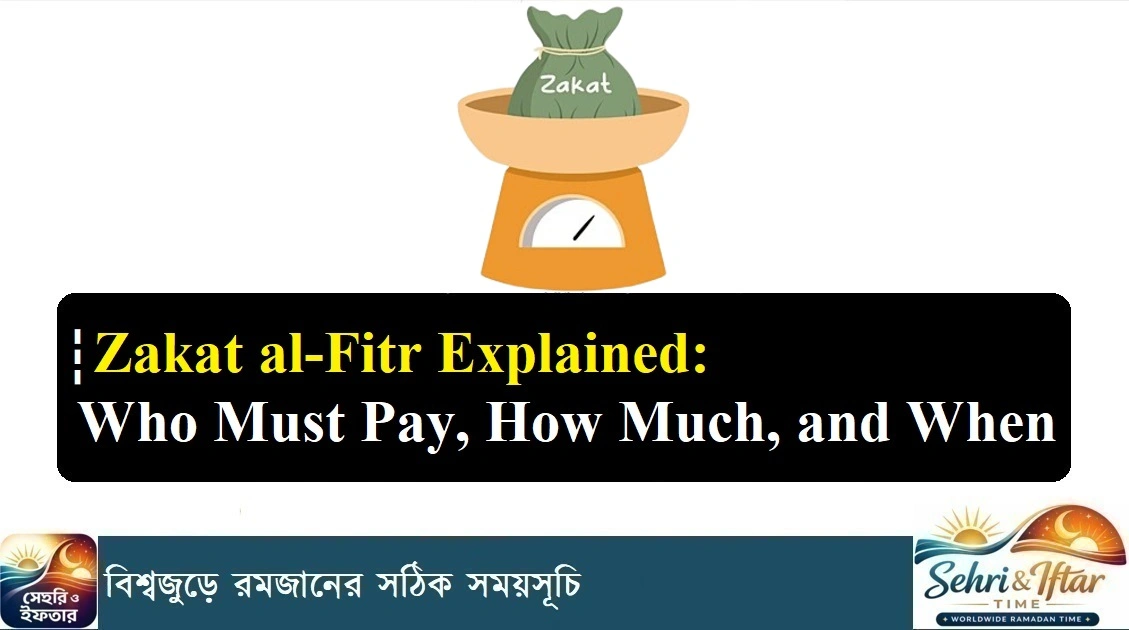
Zakat al-Fitr Explained: Who Must Pay, How Much, and When;
As the blessed month of Ramadan comes to an end, Muslims around the world prepare to celebrate Eid al-Fitr with joy, gratitude, and worship. However, before the Eid prayer takes place, Islam requires a special form of charity known as Zakat al-Fitr (also called Sadaqat al-Fitr). This important obligation ensures that everyone, including the poor and needy, can participate in the happiness of Eid.
Zakat al-Fitr is much more than a financial contribution. It is an act of purification, generosity, and social responsibility that reflects the compassion and unity of the Muslim community. Understanding who must pay it, how much should be given, and when it should be distributed helps Muslims fulfill this obligation correctly and maximize its spiritual rewards.
What Is Zakat al-Fitr?
Zakat al-Fitr is a mandatory charity that every eligible Muslim must give before the Eid al-Fitr prayer at the end of Ramadan. Unlike the annual Zakat on wealth, Zakat al-Fitr is directly connected to the completion of Ramadan fasting.
The Prophet Muhammad (peace be upon him) prescribed Zakat al-Fitr as a means of purifying the fasting person from any mistakes, shortcomings, or inappropriate behavior that may have occurred during Ramadan. It also serves to help the poor and needy enjoy Eid without worrying about food or basic necessities.
In essence, Zakat al-Fitr combines spiritual purification with social compassion, making it one of Islam’s most beautiful acts of worship.
The Purpose and Wisdom Behind Zakat al-Fitr
Every Islamic ruling carries wisdom, and Zakat al-Fitr is no exception.
One of its primary purposes is to cleanse and perfect a believer’s fast. While Muslims strive to observe Ramadan sincerely, nobody is perfect. Small mistakes, distractions, or shortcomings may occur. Zakat al-Fitr helps compensate for these deficiencies and completes the spiritual journey of Ramadan.
At the same time, it promotes social equality. Eid should be a day of happiness for everyone, regardless of financial status. By providing assistance to those in need, the Muslim community ensures that no one is left behind during this joyous occasion.
This balance between worship and social responsibility reflects the comprehensive nature of Islam.
✅ Also Read: Ramadan Checklist: Daily Acts of Worship Every Muslim Should Follow
Who Must Pay Zakat al-Fitr?
Zakat al-Fitr is obligatory upon every Muslim who possesses sufficient means beyond their basic needs on the day and night of Eid.
The head of a household is generally responsible for paying on behalf of:
- Himself or herself
- Spouse
- Children
- Dependents under their care
This means that a parent typically pays Zakat al-Fitr for young children who cannot provide it themselves.
Unlike annual Zakat, which depends on reaching a specific wealth threshold (nisab), Zakat al-Fitr has a much broader obligation. Most Muslims with enough food and resources for Eid are expected to contribute.
Its affordability ensures that almost every Muslim can participate in this act of charity.
How Much Is Zakat al-Fitr?
Traditionally, Zakat al-Fitr was given in the form of staple food items commonly consumed within a society, such as:
- Dates
- Barley
- Wheat
- Rice
- Raisins
The amount prescribed by the Prophet Muhammad (peace be upon him) was one Sa’, a traditional Islamic measurement equivalent to approximately 2.5 to 3 kilograms of staple food, depending on the type.
Today, many Islamic organizations and scholars allow the equivalent monetary value to be given instead, making distribution easier and more beneficial in many situations.
The exact amount varies from country to country based on local food prices and economic conditions. Therefore, Muslims should consult their local mosque or Islamic authority each year for the recommended amount.
The most important principle is ensuring that the donation adequately provides for a needy person or family.
When Should Zakat al-Fitr Be Paid?
Timing is one of the most important aspects of Zakat al-Fitr.
The charity should be distributed before the Eid al-Fitr prayer. This allows recipients to benefit from it in time for Eid celebrations.
Many scholars encourage paying it:
- During the final days of Ramadan
- One or two days before Eid
- Early enough to ensure proper distribution
Delaying Zakat al-Fitr until after the Eid prayer diminishes its intended purpose. While the payment may still count as charity, it no longer fulfills the obligation in the preferred manner described by Islamic teachings.
For this reason, Muslims are encouraged to plan ahead and avoid last-minute delays.
Who Can Receive Zakat al-Fitr?
Zakat al-Fitr is intended primarily for those who are poor and needy.
Recipients may include:
- Low-income families
- Orphans
- Widows
- Individuals struggling to meet basic living expenses
- Vulnerable members of society
The goal is to ensure that these individuals can enjoy Eid with dignity and happiness.
By supporting those in need, Muslims strengthen social bonds and demonstrate genuine concern for their communities.
Common Mistakes to Avoid
Despite its simplicity, some common mistakes occur regarding Zakat al-Fitr:
Waiting Until the Last Minute
Many people delay payment until Eid morning, creating logistical difficulties for charities and recipients.
Forgetting Dependents
Some individuals pay only for themselves and overlook family members for whom they are responsible.
Not Confirming Local Amounts
Since the monetary value varies annually and by region, relying on outdated figures can result in underpayment.
Proper planning helps avoid these issues and ensures the obligation is fulfilled correctly.
The Spiritual Rewards of Zakat al-Fitr
Zakat al-Fitr is not merely a financial transaction. It is a powerful act of worship that reflects gratitude for completing Ramadan and concern for fellow Muslims.
It teaches:
- Generosity
- Compassion
- Social responsibility
- Gratitude to Allah
- Community solidarity
The act reminds believers that true success in Ramadan is not measured only by fasting and prayer but also by helping others.
Conclusion
Zakat al-Fitr is one of the final and most meaningful acts of worship during Ramadan. It purifies the fast, supports those in need, and allows every member of the Muslim community to share in the joy of Eid.
Every eligible Muslim should understand who must pay it, how much should be given, and the importance of paying it before the Eid prayer. By fulfilling this obligation sincerely and on time, believers complete Ramadan with generosity, gratitude, and obedience to Allah.
As Eid approaches, Zakat al-Fitr serves as a beautiful reminder that Islam is not only about personal devotion but also about caring for others. Through this simple yet powerful act of charity, Muslims strengthen their faith, uplift their communities, and carry the spirit of Ramadan into the celebration of Eid al-Fitr.